Introduction
The Amino Acid Fertilizer Reactor is a specialized bioreactor system designed for the controlled fermentation and production of amino acids such as glutamic acid, lysine, threonine, and other high-value bio-based compounds. As demand grows across agriculture, food, pharmaceutical, and feed industries, amino acid fermentation technology has become a core process in modern bio-manufacturing.
This reactor integrates advanced fermentation engineering, automation control, and highly adaptive mechanical design to ensure stable microbial growth and efficient metabolic conversion across multiple strains and production pathways.
What Is an Amino Acid Fertilizer Reactor?
An Amino Acid Fertilizer Reactor is a multi-functional aerobic/anaerobic fermentation vessel used for large-scale cultivation of microorganisms that synthesize amino acids. Unlike standard chemical reactors, it is specifically engineered to support living microbial systems, requiring precise control of oxygen supply, temperature, pH, and nutrient feeding.
It is widely used for:
- L-Glutamic acid production
- Lysine fermentation
- Threonine and tryptophan synthesis
- Other industrial amino acid processes
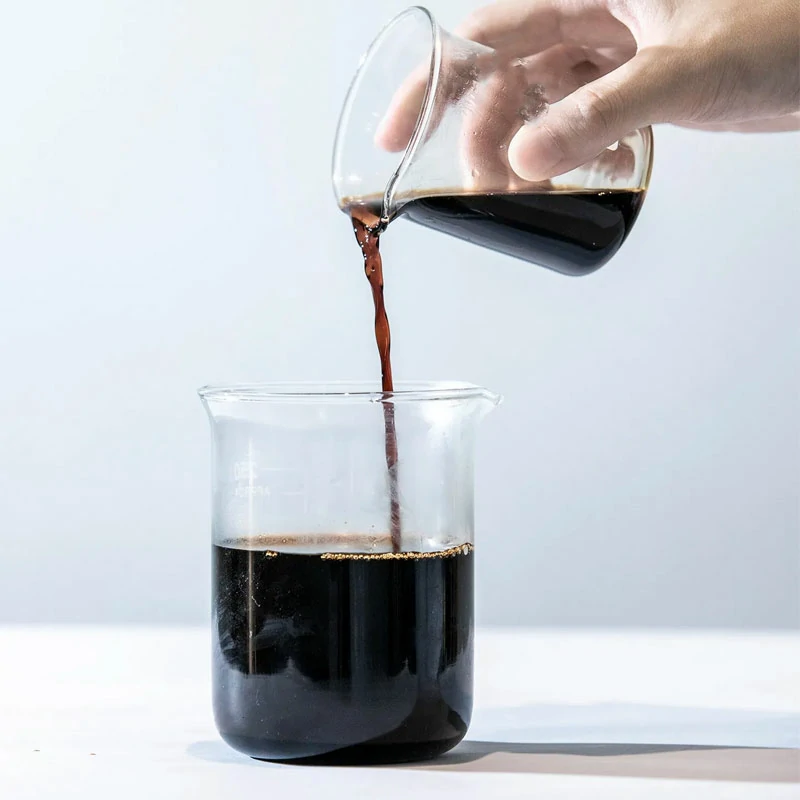
Core Structure of the Reactor System
A modern Amino Acid Fertilizer Reactor typically consists of several integrated subsystems:
1. Mechanical Agitation System
The stirring system ensures uniform mixing of nutrients and microorganisms. Depending on the amino acid type:
- High oxygen-demand processes (e.g., glutamic acid) use high-efficiency impellers
- Low-shear designs are applied for sensitive microbial strains
This balance ensures both oxygen transfer efficiency and cell integrity.
2. Temperature Control Jacket
A jacketed heating and cooling system maintains optimal fermentation temperature. Since microbial metabolism is highly temperature-sensitive, precise thermal regulation directly impacts yield and productivity.
3. Aeration and Filtration System
Multi-stage sterile air filtration ensures contamination-free oxygen supply. The aeration system includes:
- Sterile air compressors
- HEPA-grade filters
- Distributed spargers for uniform oxygen diffusion
This system is critical for aerobic amino acid production.
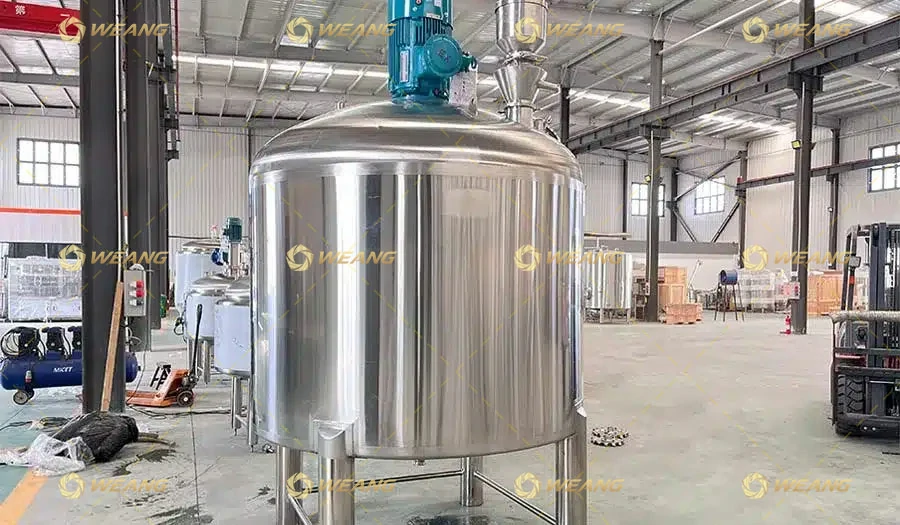
4. Automated Control System (PLC + SCADA)
Modern reactors are equipped with intelligent control platforms that manage:
- pH regulation
- Dissolved oxygen (DO) levels
- Feeding rate of substrates (glucose, ammonia, etc.)
- Foam control and alarm systems
This ensures stable fermentation with minimal manual intervention.
Functional Mechanisms and Process Optimization
Precision Feeding Strategy
One of the most critical aspects of amino acid fermentation is substrate feeding. The reactor is equipped with high-precision metering pumps that enable:
- Gradual glucose feeding
- Controlled ammonia addition
- Prevention of substrate inhibition
- Reduction of metabolic overflow
This “fed-batch strategy” significantly improves yield and productivity.
Real-Time Monitoring Technology
Advanced systems may integrate online sensors such as:
- Raman spectroscopy
- Optical biomass sensors
- Dissolved oxygen probes
These tools allow real-time monitoring of cell density and product concentration, enabling adaptive process control.
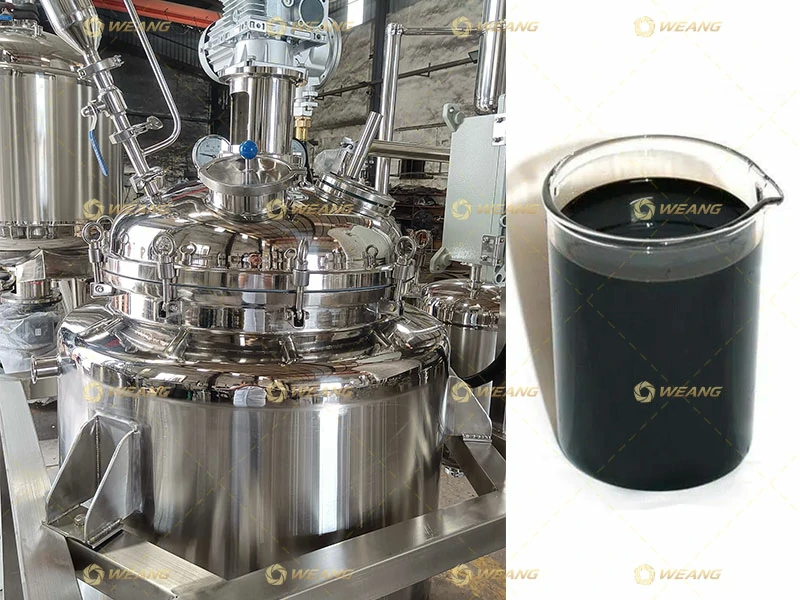
Engineering Evolution Toward Smart Fermentation
The Amino Acid Fertilizer Reactorw is evolving toward:
Intelligent Manufacturing Integration
By connecting to MES (Manufacturing Execution Systems), the reactor enables:
- Batch traceability
- Recipe management
- Multi-product production on the same line
Modular Design Architecture
Modern systems support interchangeable:
- Impeller assemblies
- Sensor modules
- Aeration components
This reduces downtime during product switching and improves production flexibility.
Energy-Efficient Operation
Optimized mixing and aeration systems reduce power consumption while maintaining high oxygen transfer efficiency.
Industrial Applications
Amino acid fermentation reactors are widely used in:
- Agriculture: production of amino acid-based fertilizers for soil improvement and plant nutrition
- Animal feed industry: enhancing feed digestibility and protein utilization
- Food industry: flavor enhancers and nutritional additives
- Pharmaceutical industry: raw materials for drug synthesis and biochemical products
Their versatility makes them a core asset in modern bio-based manufacturing systems.
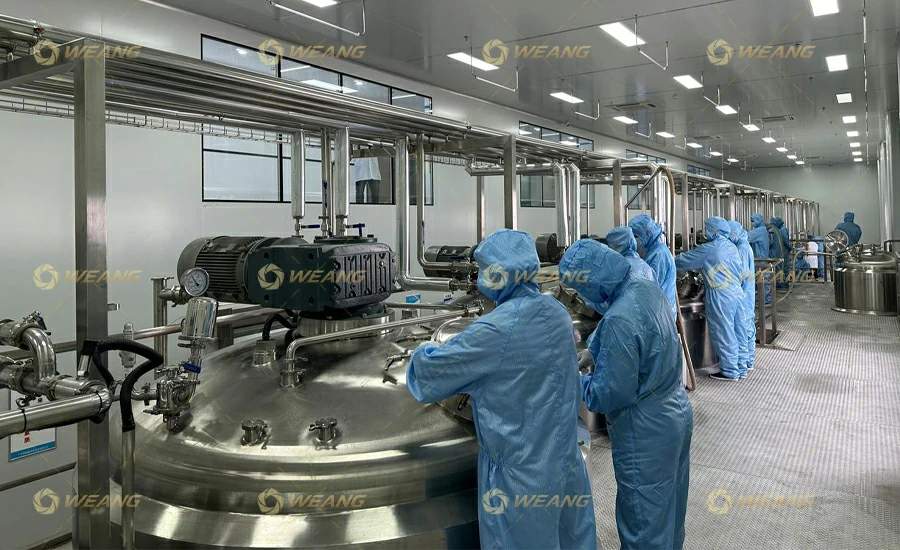
WEANG Amino Acid Fertilizer Reactor Advantages
The WEANG Amino Acid Fertilizer Reactor is engineered for high-performance industrial fermentation and offers several competitive advantages:
1. High Adaptability for Multiple Strains
Designed to support a wide range of microbial species, allowing flexible production of different amino acids on the same system.
2. Advanced Mixing and Oxygen Transfer Efficiency
Optimized impeller structure ensures:
- Strong oxygen dissolution
- Stable fermentation environment
- Reduced shear damage to cells
3. Fully Automated Intelligent Control
Integrated PLC control system enables precise management of:
- Feeding curves
- Temperature and pH balance
- Real-time fermentation monitoring
4. Hygienic and Durable Construction
Manufactured with high-grade 316L stainless steel, ensuring:
- Corrosion resistance
- Long service life
- Compliance with industrial fermentation hygiene standards
5. Modular and Scalable Design
Supports capacity expansion and quick configuration changes, making it suitable for both pilot plants and large-scale industrial production.
The Amino Acid Fertilizer Reactor represents a key technology in modern bio-fermentation systems, combining mechanical engineering, microbiology, and intelligent automation. Its role in amino acid production is essential for industries seeking sustainable, high-efficiency biochemical manufacturing.
With WEANG’s advanced reactor technology, producers can achieve higher yields, improved process stability, and greater production flexibility—supporting the continued growth of the global amino acid and bio-fertilizer industry.
Latest Articles
2026-5-20
Amino Acid Fertilizer Reactor: Structure, Function, and Industrial ApplicationsThe Amino Acid Fertilizer Reactor is a specialized bioreactor system designed for the controlled fermentation and production of amino acids such as glutamic acid, lysine, threonine, and other high-value bio-based compounds. As demand grows across agriculture, food, pharmaceutical, and feed industries, amino acid fermentation technology has become a core process in modern bio-manufacturing.
See Details See Details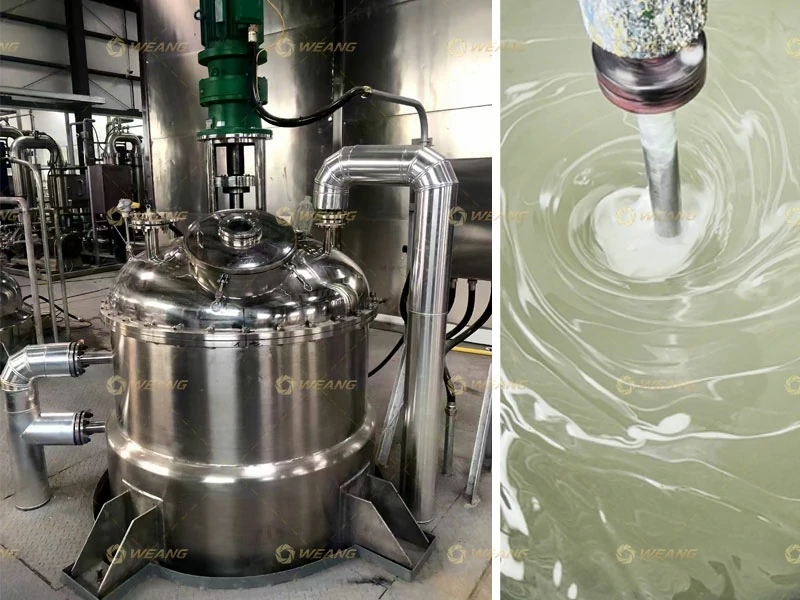
2026-3-25
Resin Reactor: Core Equipment for High-Performance Resin ProductionResin reactor manufacturer offering stainless steel reactors for alkyd, acrylic, and epoxy resin production. Custom design, fast delivery, global installation.
See Details See Details